Chair Tai Chi: The Gentle Workout That Packs a Punch
Don't let the word 'chair' fool you — this workout is the real deal.
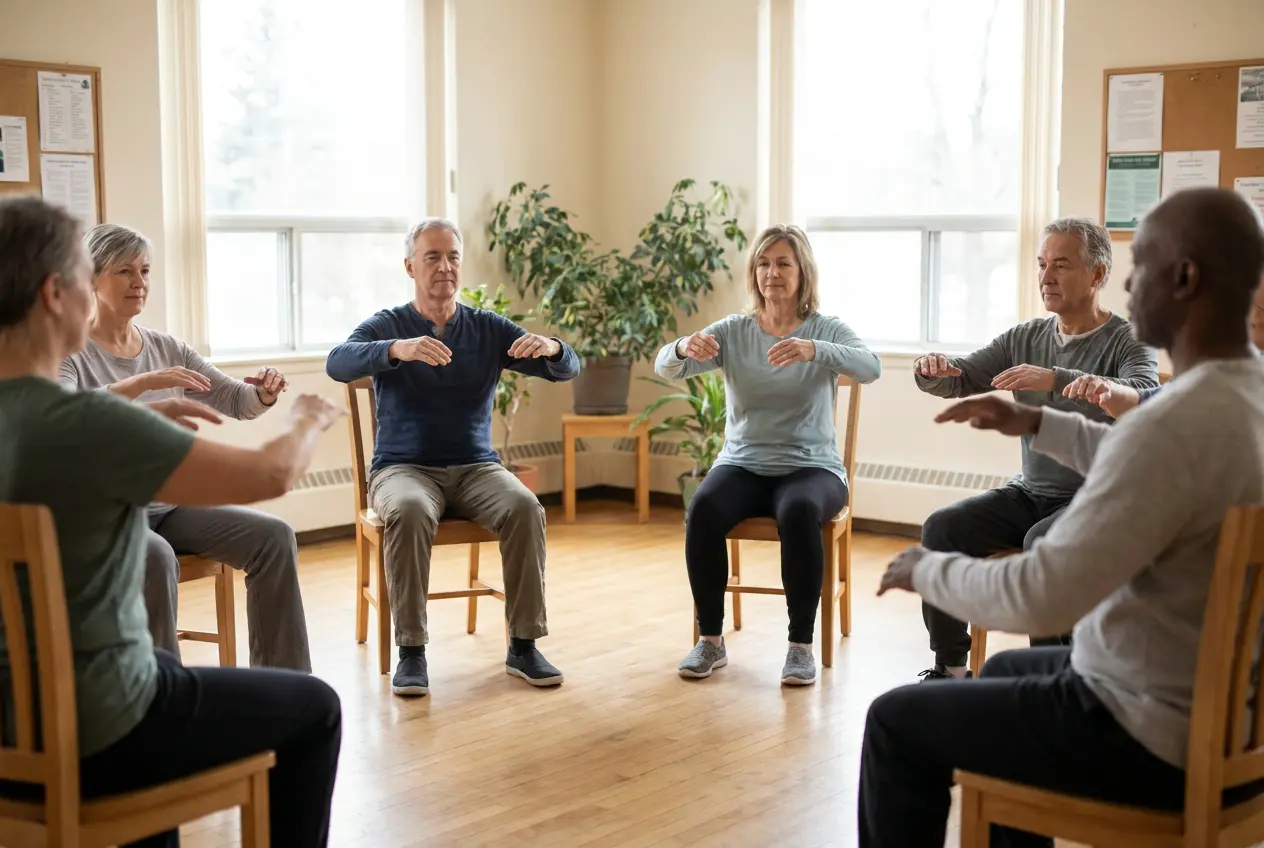
I'll be honest — when someone first suggested I try chair tai chi, I almost laughed. A workout... in a chair? But after just one session, I realized this gentle practice was exactly what my body had been asking for.
Okay, I'll Admit It — I Was a Skeptic
Let me set the scene for you. It's a Tuesday morning, I'm standing in the doorway of a community center rec room, and there are about fifteen people seated in folding chairs, slowly moving their arms through the air like they're conducting an invisible orchestra. My buddy Greg had talked me into this. "Just try it once," he said. "What's the worst that can happen?"
I grabbed a chair in the back row, figuring I'd fake my way through thirty minutes and then tell Greg it wasn't for me. Fast forward to today, and I haven't missed a week in four months. So yeah — I was wrong. It happens. Don't tell my wife I admitted that.
So What Exactly Is Chair Tai Chi?
Chair tai chi is exactly what it sounds like — traditional tai chi movements adapted so you can do them while seated in a sturdy chair. The slow, flowing motions are the same ones people have practiced for centuries in China, but modified so they're accessible to folks with limited mobility, balance concerns, or joints that have seen better days.
And before you think this is some watered-down version of the real thing, let me stop you right there. The principles are identical: controlled breathing, intentional movement, mindfulness, and flow. You're working muscles you forgot you had. You're improving balance and coordination. And you're doing it all without a single jumping jack, thank goodness.
Why Boomers Should Pay Attention
Here's the thing about being over 50 — our bodies start sending us memos we didn't ask for. A knee that clicks. A shoulder that protests when you reach for the top shelf. Energy that dips by 2 p.m. Chair tai chi addresses a whole bunch of these annoyances, and the science backs it up.
Balance and Fall Prevention
Falls are the number one injury risk for adults over 50. Chair tai chi trains your body to be more aware of its position in space — what the fancy folks call proprioception. Even though you're seated, those slow weight shifts and coordinated arm movements teach your brain and muscles to communicate better. I've noticed I'm steadier on my feet, especially when I'm navigating the uneven ground out here on the homestead.
Flexibility Without the Ouch
Nobody is asking you to touch your toes. The gentle stretching built into each movement gradually increases your range of motion. After a few weeks, I realized I could turn my head further when backing up the truck. Small victory? Maybe. But I'll take it.
Stress Relief That Actually Works
There's something almost meditative about chair tai chi. The slow pace forces you to breathe deeply and focus on the present moment. With everything involved in selling our 6,000-square-foot house and moving to five acres of farmland, I needed that kind of calm more than I knew. It became my Tuesday morning reset button.
Joint-Friendly Movement
No impact. No jarring. No "feel the burn" nonsense. Your joints are supported by the chair, and the movements are smooth and circular. If you've got arthritis, bad knees, or a cranky hip, this is your kind of workout.
How to Get Started
The barrier to entry here is about as low as it gets, which is part of the beauty.
Check YouTube First
Search "chair tai chi for beginners" and you'll find dozens of free videos ranging from ten to thirty minutes. I'd recommend starting with a short one — maybe fifteen minutes — just to see how it feels. Look for instructors who explain the movements clearly and don't rush. You want someone who feels like a patient friend, not a drill sergeant.
Find a Local Class
Community centers, senior centers, YMCAs, and even some libraries offer chair tai chi classes. There's something about doing it in a group that keeps you accountable and makes it more fun. Plus, I've met some genuinely great people in my class. Turns out the back row is where all the interesting characters sit.
What to Expect Your First Time
You'll feel a little awkward. That's normal. The movements look simple, but coordinating your arms, your breathing, and your focus all at once takes a minute. By the end of your first session, you'll probably feel relaxed, slightly warmed up, and maybe a tiny bit sore in muscles you didn't know you were using. That's the good stuff working.
My Tips for Beginners
After four months of practice, here's what I wish someone had told me on day one. Wear comfortable clothes — you don't need anything special, but skip the stiff jeans. Use a chair without arms so you have full range of motion. Don't worry about doing it perfectly. Tai chi is a practice, not a performance. Go at your own speed and breathe. If you feel silly, good. That means you're human. I guarantee everyone in that room felt the same way their first time.
And finally — stick with it for at least three weeks before you decide if it's for you. The benefits are cumulative. By week three, something clicks. The movements start to feel natural, your breathing deepens on its own, and you walk out of that room feeling like a calmer, looser version of yourself.
Trust me. If this skeptic from the back row can become a regular, so can you.