Starting a Veggie Garden After 50: A Beginner's Honest Guide
No experience, a bad track record with plants, and five acres of possibility. Here's what I've learned so far.
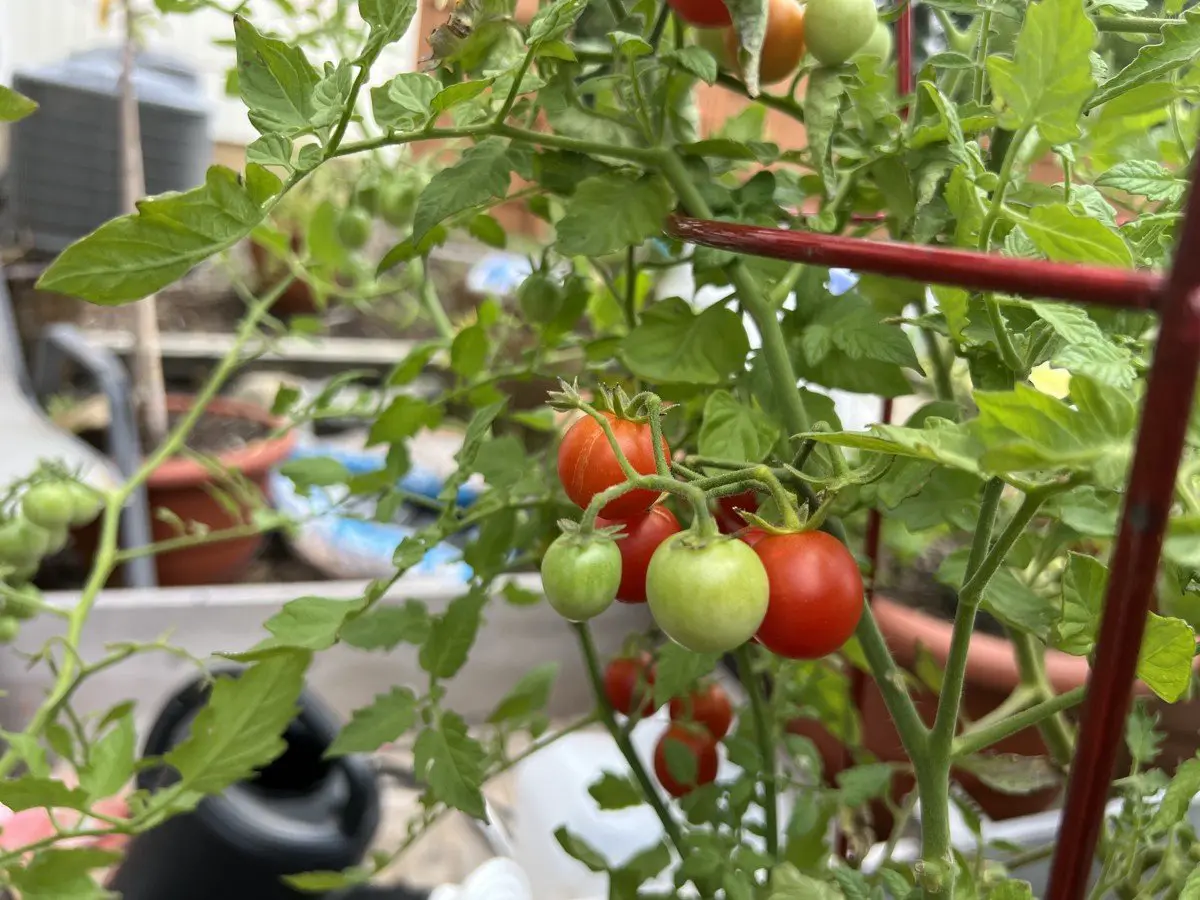
Daryl has never successfully grown anything in his life — including a cactus. But with five acres of homestead land and a stubborn streak a mile wide, he's diving into vegetable gardening headfirst. Here's his honest beginner's guide for anyone starting late and starting hopeful.
Let me establish my credentials right up front: I have none. I am a man in his fifties who once killed a cactus, has never composted anything on purpose, and until recently thought "raised beds" were something you bought at a furniture store. And yet, here I am, planning a vegetable garden on our new five-acre homestead like I know what I'm doing.
I don't. But I'm learning. And if you've ever thought about growing your own food but felt like you missed the window, let me assure you — the window is still wide open. It's just a little creakier than it used to be, like the rest of us.
Why Grow Your Own Food After 50?
I'll give you the practical reason first: have you seen grocery prices lately? I walked out of the store last month with two bags and a receipt that looked like a car payment. Growing even a fraction of your own vegetables can genuinely save money over a season.
But the real reason goes deeper than that. There's something about putting a seed in the ground and watching it become actual food that reconnects you to something we've lost in the convenience era. You start paying attention to the weather, the soil, the seasons. You slow down. And at this stage of life, slowing down isn't lazy — it's wise.
Plus, there's a pride that comes with eating a tomato you grew yourself. It doesn't matter if it's a little ugly. It's yours. You made that happen with dirt and water and patience. That hits different at 55 than it would have at 25.
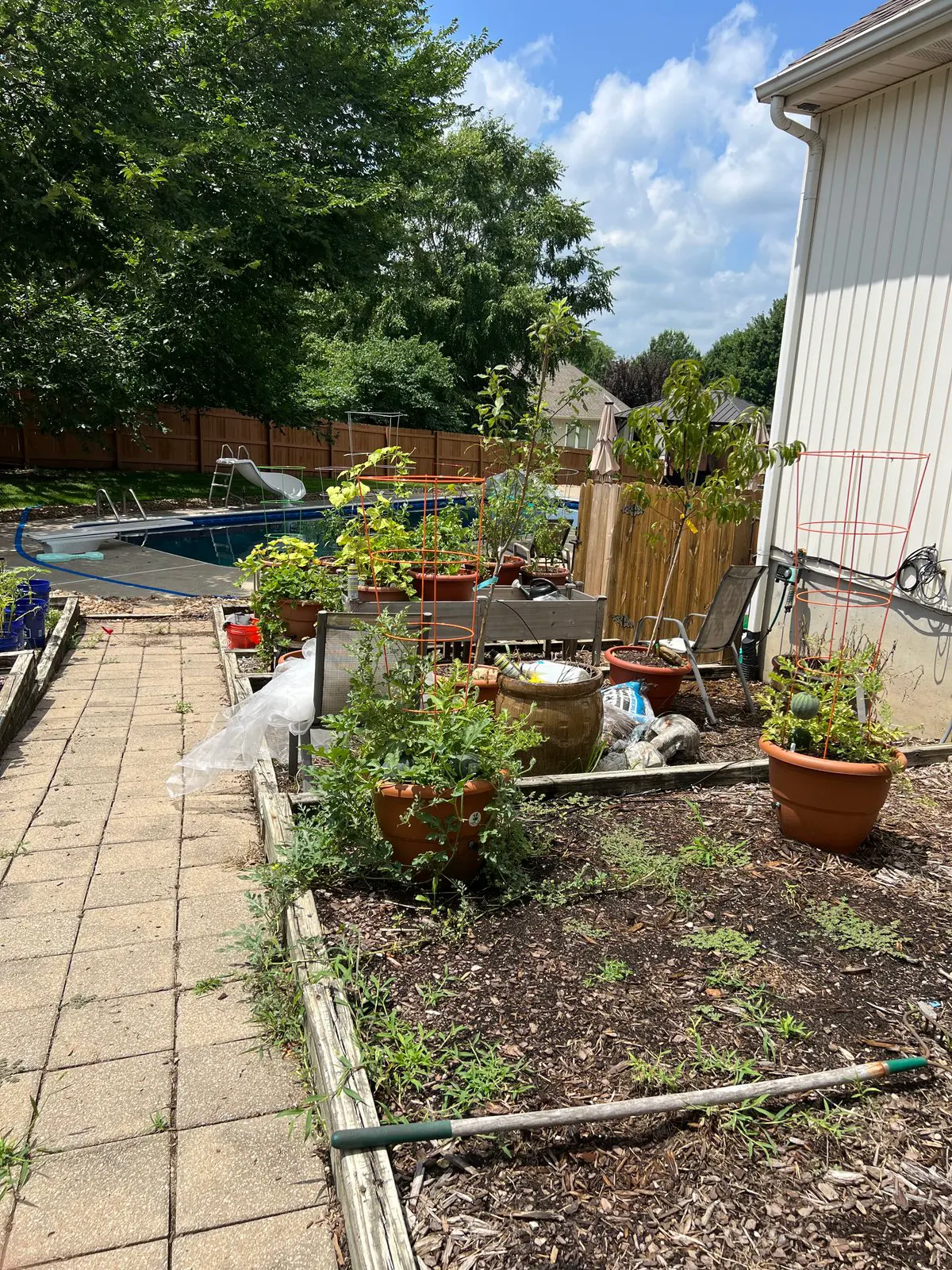
The Easy Starter Vegetables (Start Here, Trust Me)
Every gardening website will give you a list of "easy" vegetables, and then half of them turn out to be a nightmare. Here's my honest shortlist based on what I've actually managed to keep alive so far, plus what experienced gardener friends swear by.
Tomatoes
The gateway vegetable. Start with cherry tomatoes — they're more forgiving than the big guys, they produce like crazy, and there is no better feeling than popping a warm cherry tomato straight off the vine. Get a cage or stake for them. They'll flop over without support, and I speak from sad experience.
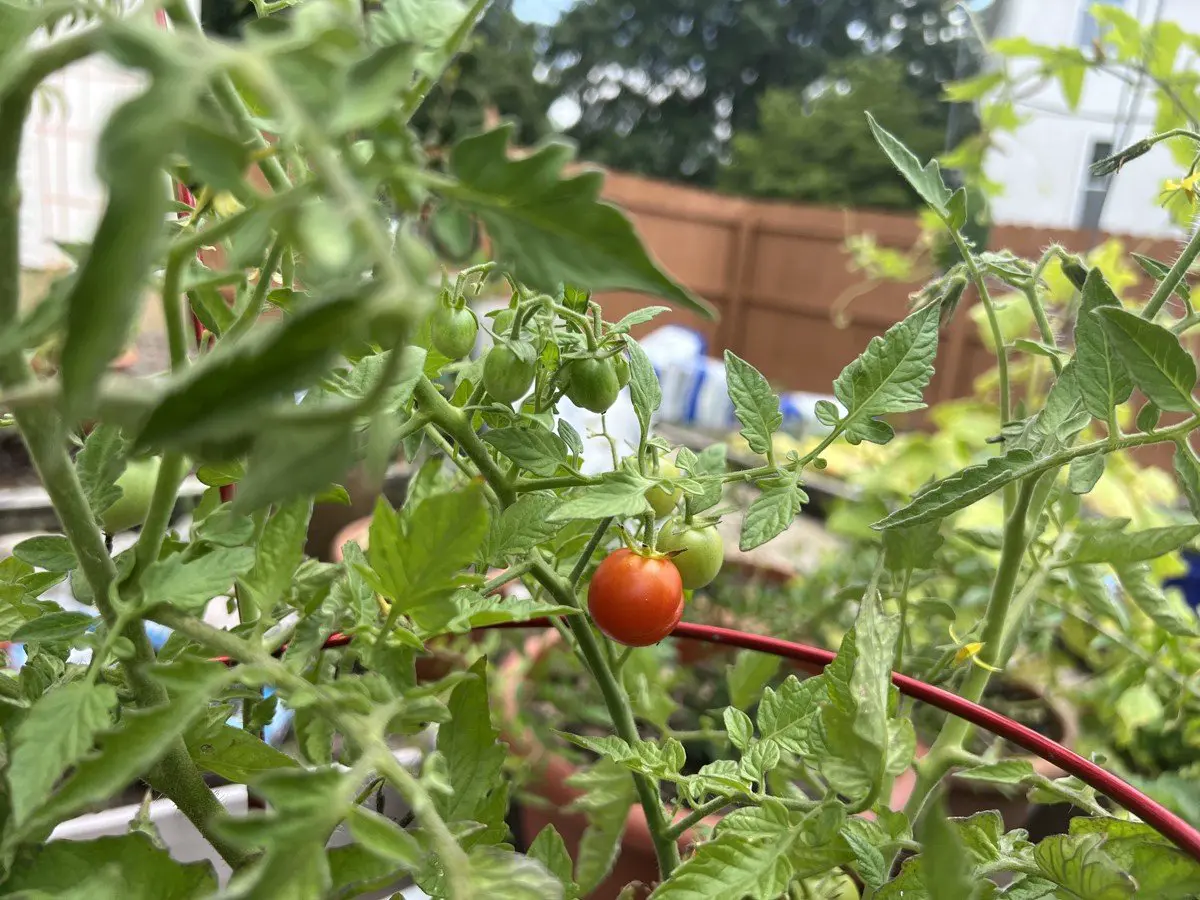
Zucchini
Zucchini grows so aggressively that the biggest challenge is using it all before it takes over your kitchen. If you want an early confidence boost, plant zucchini. Within weeks, you'll have more than you know what to do with. Your neighbors will start avoiding eye contact because they know you're coming with another bag.
Lettuce and Salad Greens
Fast to grow, hard to mess up, and incredibly satisfying to harvest. You can grow lettuce in containers if you're not ready for a full garden bed. Cut-and-come-again varieties let you harvest leaves without pulling the whole plant. It's the gift that keeps on giving.
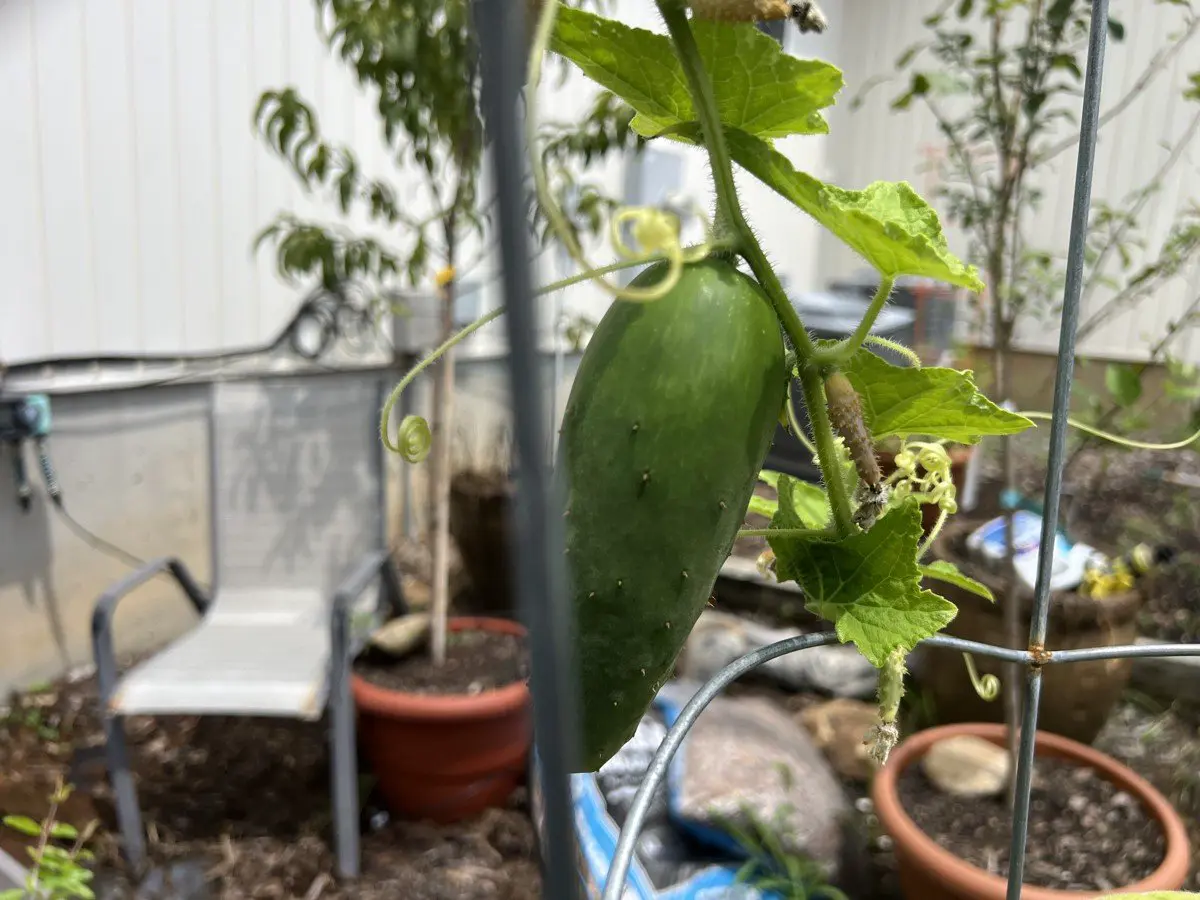
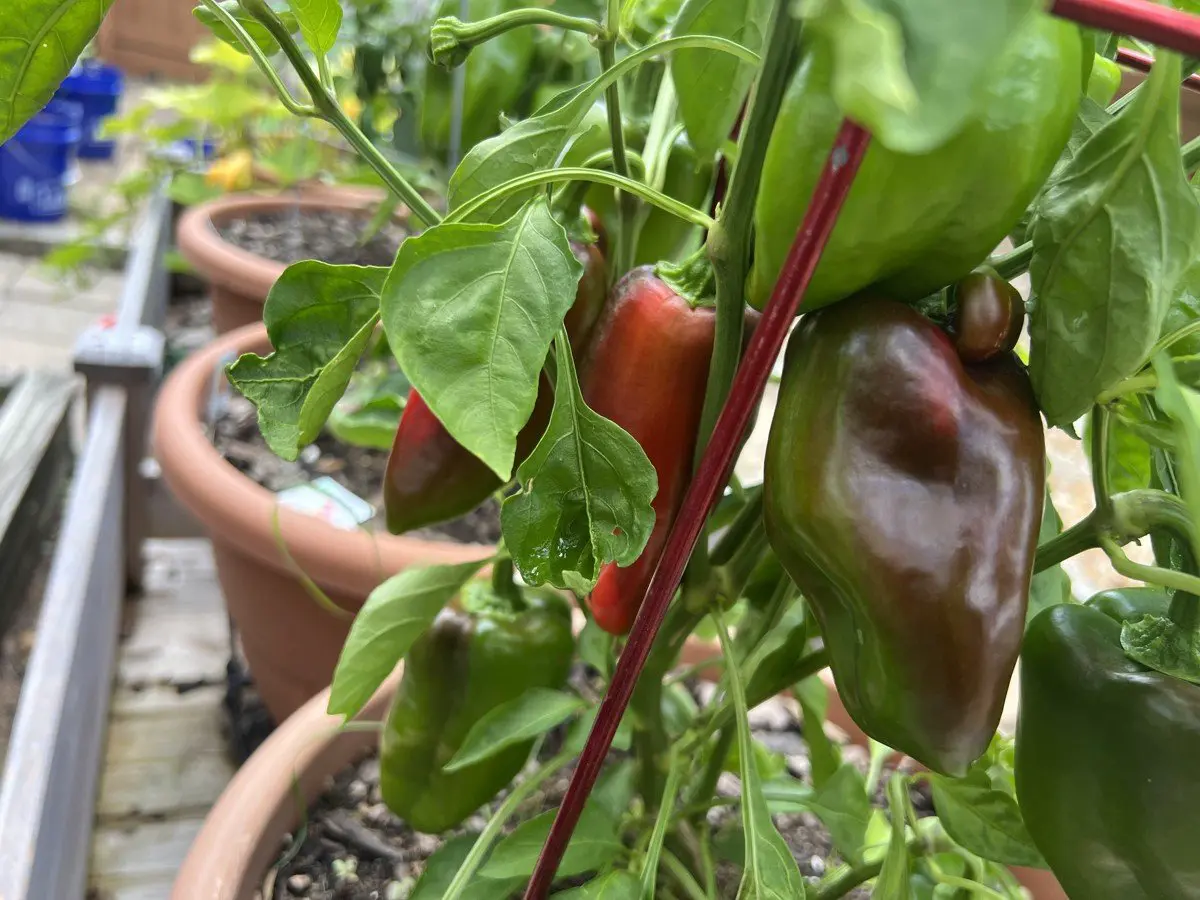
Green Beans
Bush beans, specifically. They don't need trellising, they germinate fast, and they produce steadily. They were one of my first successes, and I'm not ashamed to say I took a photo of my first handful like a proud parent.
Herbs (Basil, Parsley, Chives)
Technically not vegetables, but they belong in every beginner's garden. Herbs are tough, they smell amazing, and fresh basil on a homemade pizza will ruin store-bought basil for you forever. Consider yourself warned.
Common Mistakes (I've Made Most of These)
Planting Too Much Too Soon
My first plan looked like I was feeding a small village. Scale it back. Start with four or five things and do them well. You can always expand next season when you actually know what you're doing. Ambition is great. A manageable garden is better.
Ignoring Your Soil
I just assumed dirt was dirt. It is not. Get a basic soil test from your local extension office — it's usually cheap or free — and find out what you're actually working with. Amending the soil before planting saves a ton of heartbreak later. I learned this the hard way when my first round of seedlings just sat there looking depressed.
Watering Wrong
Overwatering is just as deadly as underwatering, and beginners almost always overwater. Most vegetables want about an inch of water per week, delivered at the base, not sprinkled over the leaves like a gentle rain. A soaker hose changed my life. Well, my gardening life. Let's not oversell it.
Skipping Mulch
Mulch keeps moisture in, weeds down, and soil temperature stable. I skipped it the first time because it felt like an extra step. It is an extra step. It is also the single most impactful extra step you can take. Don't skip the mulch.
The Joy of the First Harvest
I will never forget the day I picked my first ripe tomato from the garden. It was a little lopsided, slightly cracked on top, and absolutely the most beautiful thing I had ever grown. I brought it inside, sliced it, added a pinch of salt, and ate it standing at the kitchen counter. My wife asked why I was emotional over a tomato. I couldn't explain it. Some things you just have to experience.
That moment — that silly, wonderful, standing-in-the-kitchen moment — is why I'm writing this. Growing food after 50 isn't about becoming a farmer. It's about proving to yourself that you can still learn new things, still get your hands dirty, still be a beginner at something and love every minute of it.
Start small. Be patient. Expect some failures. And when that first tomato comes in, eat it with salt and let yourself feel the whole thing.
You've earned it.