Choosing the Right Solar Setup for Your Needs
Ground or roof, power station or components, DIY or contractor
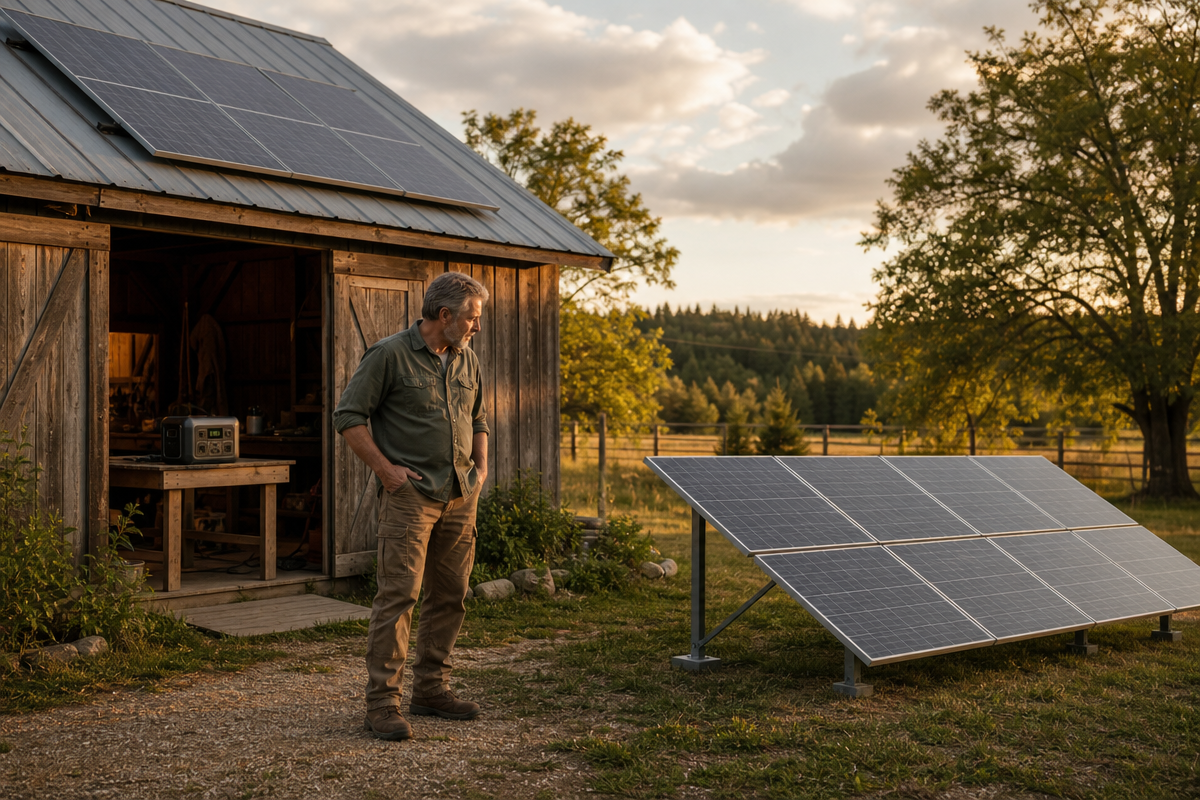
Once you know what you want solar to accomplish, three practical choices will shape the project: where the panels go, how the system is built, and who installs it.
Once you know what you want solar to accomplish, the next question is how to build the system. This is where a straightforward idea can branch into a dozen decisions.
You do not need to become an electrician to make a good first choice. Focus on three comparisons: ground mount versus rooftop, power station versus individual components, and DIY versus contractor installation.
Ground-Mounted or Rooftop Panels?
Rooftop solar uses space that is already there. It keeps panels out of the yard and can place them close to the home's electrical system. When the roof is in good condition, receives useful sunlight, and faces a practical direction, it can be an efficient choice.
The tradeoff is access. Roof-mounted panels are harder to inspect, clean, repair, or replace. The age and condition of the roof matter too. Removing a solar array to replace shingles later adds work that could have been avoided with better timing. Shade from trees, chimneys, or nearby structures also needs a close look.
A ground-mounted array is easier to reach and may give you more freedom to choose the panel angle and direction. It can work especially well on a larger property, near a barn, or where the house roof is not a good solar location.
But ground mounts need open land, sturdy supports, and a plan for getting the power where it needs to go. The distance to the building, mowing access, animals, snow, drainage, and underground wiring can all affect the final setup.
The better location is not always the most obvious one. Compare sunlight, access, future maintenance, and total installation work—not just appearance.
Power Station or Separate Components?
A portable power station combines several important parts into one package. For backup power, camping, an RV, or a small shed, that simplicity can be a major advantage. You can match it with suitable panels, connect the equipment it is designed to support, and move it when needed.
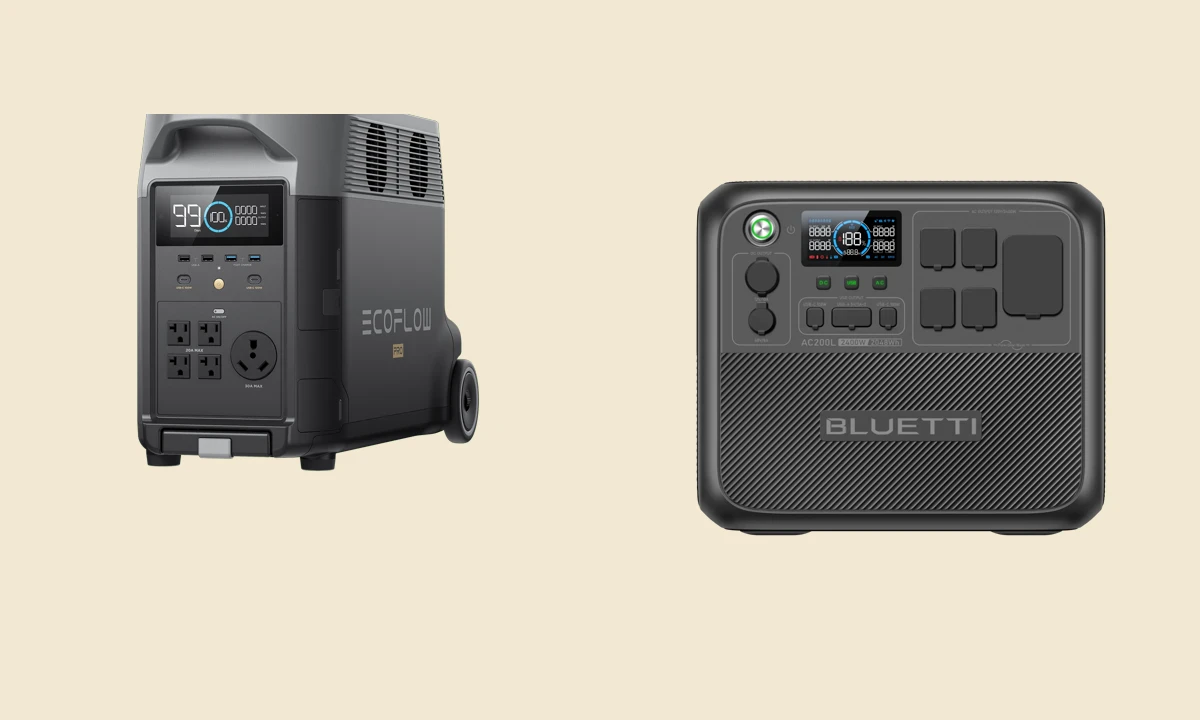
The limitation is that an all-in-one unit may offer fewer ways to expand or replace individual parts. If one part of the package no longer meets your needs, your options depend on how that particular system was designed.
A component system uses separate batteries, an inverter, charge controllers, protection equipment, and other parts selected for the job. It can be more flexible and easier to expand in stages. Individual parts may also be replaced without changing everything else.
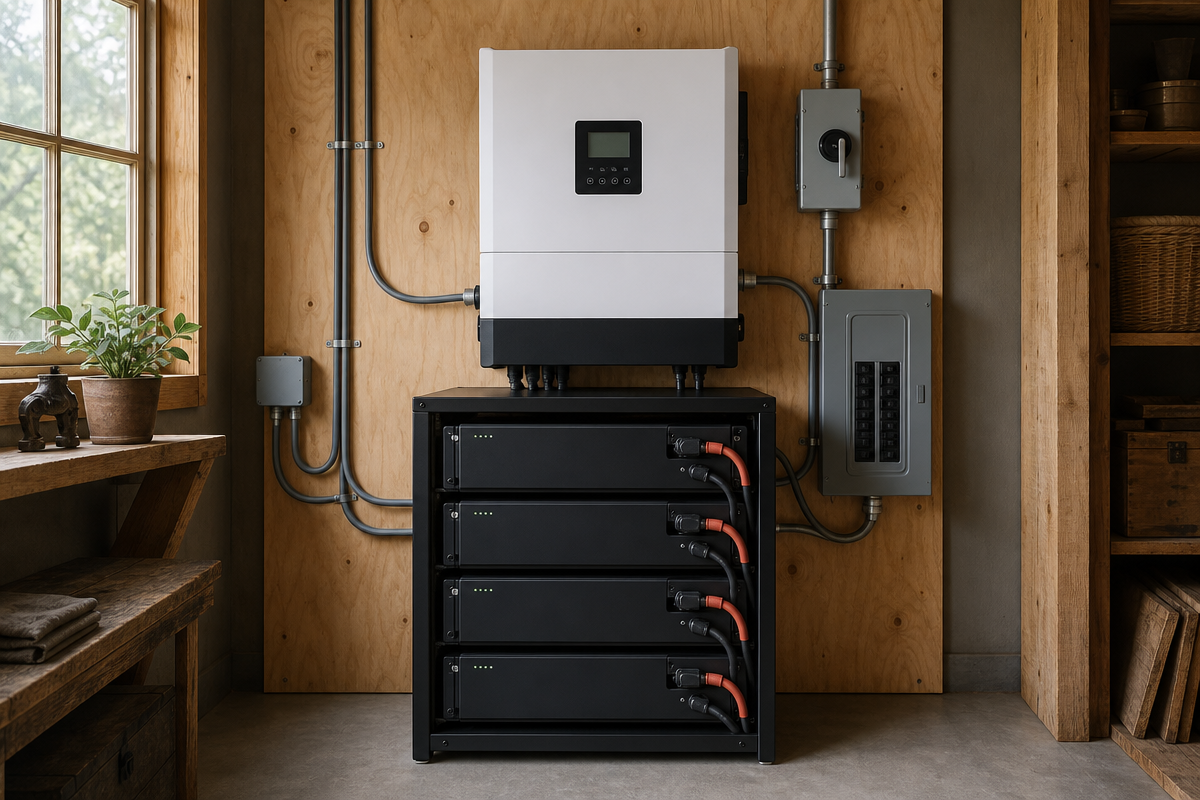
That flexibility comes with more design work. The components must be compatible, correctly sized, safely connected, and installed for the environment where they will operate.
Choose a power station when convenience and portability matter most. Consider components when customization, expansion, and long-term serviceability matter more than simplicity.
DIY or Hire a Contractor?
DIY can make sense for a small, independent system that is designed for user setup. A portable power station, a few matching panels, or basic lighting in a detached shed may be a comfortable starting point if you follow the equipment instructions and stay within your experience.
A contractor becomes more valuable as the system moves toward permanent wiring, rooftop work, grid connection, whole-house backup, trenching, or large battery banks. Those projects may involve permits, inspections, utility requirements, and electrical work that should not be improvised.
The real question is not only, "Can I assemble this?" It is also, "Can I design it correctly, install it safely, and diagnose it when something goes wrong?"
You can also split the work. A homeowner might handle planning, site cleanup, equipment research, or a ground-mount area while leaving the electrical design and final connections to a qualified professional.
Match the Setup to the Job
For occasional outage backup: Start with the essential loads. A portable power station may be the simplest first step.
For a barn or shed: Compare a small ground-mounted array with roof panels on the outbuilding. Pay special attention to tools, pumps, and other motor-driven equipment.
For supplemental home electricity: Evaluate the roof and the property before choosing a location. Compare complete installed costs rather than panel prices alone.
For off-grid living: Plan the entire system together—generation, storage, conversion, backup, and realistic daily use. This is where a carefully designed component system and professional guidance can earn their keep.
Budget and Difficulty Belong in the Same Conversation
The least expensive equipment is not always the least expensive project. A system that is difficult to install, hard to expand, or poorly matched to the job can cost more in changes later.
Create a simple scorecard for each option. List the purchase price, installation work, permits, maintenance access, ability to expand, and how much of the job you are comfortable handling. That comparison will tell you more than a sale price ever will.
The right solar setup is the one that fits your actual purpose, property, budget, and willingness to manage it. Keep those four things in view, and solar becomes a practical project instead of an expensive guessing game.