Is Now the Right Time for Solar?
Start with what you want the system to do—not with the panels
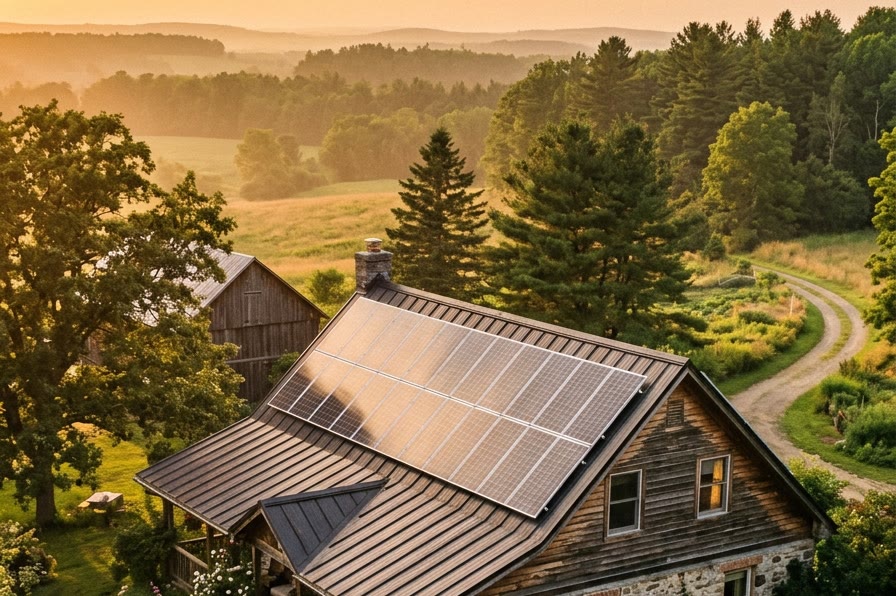
Solar can provide backup power, supplement the grid, support an off-grid lifestyle, or run a special project. The right time to buy starts with knowing which job you need it to do.
Solar sounds simple until you start shopping. Then come the panels, batteries, inverters, power stations, mounting choices, installation quotes, and a small dictionary of electrical terms nobody warned you about.
Before comparing brands or prices, stop and answer one question: What do I want my solar system to do?
That answer will shape the size, cost, difficulty, and timing of the entire project.
Backup Power During an Outage
If your main goal is backup power, begin with a short list of what must keep running when the grid goes down. The refrigerator? A few lights? Internet equipment? A well pump? Heating or cooling?
Do not start by trying to power the whole house. Start with the essentials. Add up what they require, think about how long you want them to run, and build from there. A short emergency backup system is a very different project from carrying a home through several cloudy days.
This is also where battery capacity matters just as much as the number of panels. Panels collect energy when conditions allow; the battery is what makes that energy available when you actually need it.
Replacing Grid Electricity or Going Off-Grid
Going fully off-grid is the biggest version of the solar decision. Now you are not just preparing for an outage—you are building your own everyday power system.
That means looking at normal daily use, seasonal changes, large appliances, motor startup demands, battery storage, and what happens when the weather does not cooperate. It may also mean changing a few habits instead of trying to duplicate unlimited grid power.
Off-grid can be a great fit for the right property and lifestyle, but it rewards careful planning. Guessing too small becomes frustrating. Buying too much before you understand your needs becomes expensive.
Supplementing the Electricity You Already Use
Maybe you are not trying to leave the grid at all. You simply want solar to cover part of your electricity use. That can be a more manageable place to begin.
A supplemental system lets you target a portion of your normal load and expand only if the site, budget, and results make sense. You still need to know what you hope to offset, but the system does not have to carry every appliance or every cloudy day.
This approach can also help you learn how solar fits your routine before making a larger commitment.
Powering a Barn, Shed, or Special Project
A barn, workshop, shed, garden area, gate, or other remote project can be an excellent first use for solar. These jobs often have a clear purpose and a limited list of equipment.
Write down every load before you buy anything. Lights and tool chargers are one thing. Pumps, compressors, refrigerators, and other motors can be another. Also consider how often the building is used and whether it needs power every day or only occasionally.
A focused project is often easier to understand than a whole-house system—and it can teach you a lot.
Budget for the Whole System
The panel price is not the project price. Your budget may also need to cover batteries, an inverter or charge controller, mounting hardware, wiring, safety equipment, site preparation, permits, and professional installation.
Decide what you can comfortably spend, then compare complete systems that meet the same goal. A low starting price is not a bargain if you immediately have to replace or expand the equipment.
Be Honest About Setup Difficulty
Some solar projects are close to plug-and-play. Others involve roof work, trenching, heavy batteries, electrical panels, utility coordination, or permits.
A portable power station paired with a few panels may be approachable for many people. A permanent grid-connected or whole-house system is a different level of project and may call for a qualified contractor. Difficulty is not just about whether you can install it—it is also about whether you want to maintain and troubleshoot it later.
So, Is Now the Right Time?
It may be the right time if your goal is clear, your site has a workable solar location, and your budget covers the entire system you actually need.
It may be better to wait if you are still unsure what you want to power, your roof may soon need replacement, or you are comparing quotes that do not include the same equipment and work.
Solar is not one purchase. It is a collection of choices. Get the purpose right first, and the rest of those choices become much easier.